Cine Chitram Telugu Cinema World


Focus governs the height of your potential returns in the Zeppelin Crash Game. Yet participants often neglect the most fundamental tool they have: their own breath. For people in the UK facing the exciting volatility of this crash game, acquiring a few uncomplicated breathing techniques can transform a session. It can convert a tense gamble into something more focused and tactical. Here we will look at effective, science-backed breathing exercises. They are crafted to boost concentration, manage adrenaline spikes, and encourage a calmer, more intentional way to play. You will discover methods to use before you set a bet, during the Zeppelin’s tense climb, and after a round ends. The goal is to establish a enduring and rewarding mindset for gaming.
Weaving Breath Awareness into Your Approach
Breathwork should not feel like an extra burden. They need to integrate into your gameplay approach. Create simple cues. For example, use one deep diaphragmatic inhalation as your routine before you click ‘Place Bet’. Practice the box breathing technique specifically while the Zeppelin is rising. Promise to taking three physiological exhalations after every fifth round, no matter the result. This releases any building tension. Connecting these practices to specific game events turns them into routines. This combination means you actively control your physical status as part of your overall tactics. It puts you in the best possible mindset for every move the game throws at you.
Typical Mistakes UK Players Make With Breathing
Many players try these techniques with good intentions but make small errors zeppelincrash.net. These errors diminish the effectiveness. The most common is breathing too deeply and too fast. This can trigger lightheadedness, which is the reverse of what you want. Always concentrate on a slow, controlled exhale. Another mistake is only breathing consciously after losses, not wins. This ignores how euphoria can also impair your judgement. Holding your breath entirely during play is another common, unconscious error. Some players also abandon the practice after a day or two. Consistency is crucial for real change. Finally, do not attempt a complex pattern for the first time during high-stakes play. Work on it in calm moments first.
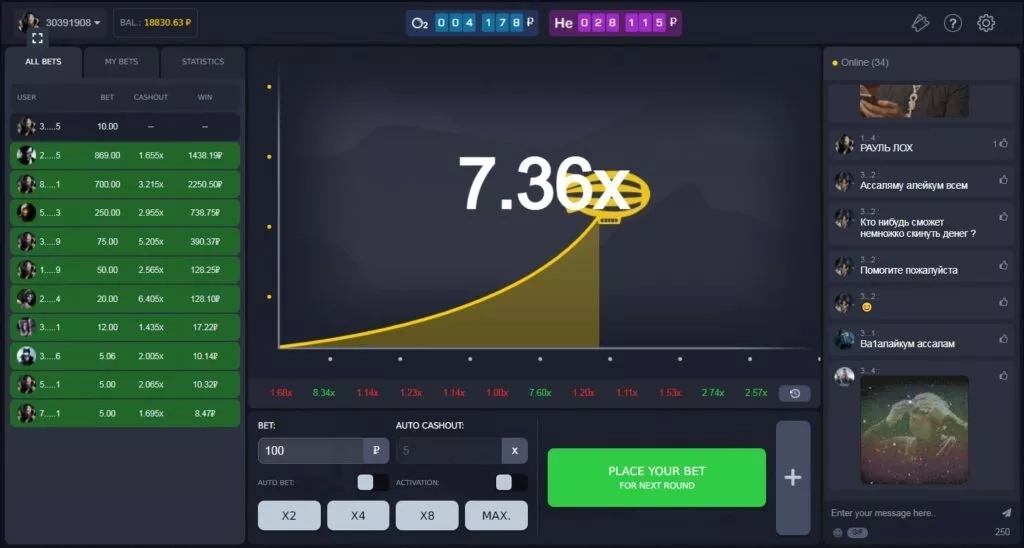
Grounding Concentration Throughout the Zeppelin’s Rise
As the multiplier climbs and pressure builds, it becomes easy to obsess over the figures. You might stop your breathing without noticing. A ‘Box Breathing’ exercise helps keep attention during this key stage. Breathe in for a count of four. Hold for four. Breathe out for four. Wait for four. Afterwards do it again. Keep your eyes soft on the monitor. Let the rhythmic pacing anchor your consciousness. It won’t divert you from the play. It keeps your mind from spinning into ‘what if’ scenarios. It holds you present with the information, the increasing factor, while controlling the bodily excitement that arises with it. This centered condition is ideal for taking your exit choice. You can ground it on rationality, not on panic or avarice.
The Pre-Event Calm: Diaphragmatic Breathing Setup
We recommend a two-minute calming ritual before you even open the Zeppelin Crash Game. Use belly breathing. Sit at ease, feet resting on the floor. Put one hand on your chest and the other on your belly. Take a slow breath in through your nose counting to four. Sense your stomach push against your palm. Your ribcage should remain mostly still. Retain the breath for a two-count. Then breathe out smoothly through pursed lips for a count of six. This extended exhalation is key. It activates your parasympathetic nervous system. This routine sweeps away mental fog. It creates a foundation of calmness. It deliberately signals the beginning of your gaming session, separating it from the day’s distractions. You begin with an air of command, before the unforeseeable journey commences.
Building Endurance for Lengthier Sessions
Keeping consistent focus and emotional control is crucial for players in longer sessions. Paced breathing assists build this endurance. Utilize a gentle metronome or a simple app. Create a rhythm for a six-second inhale and a six-second exhale. Strive to keep this pattern for five to ten minutes before you start playing. Return to it briefly between rounds. This equal-length breathing encourages balance in your nervous system. It strengthens your respiratory muscles. You do not need to breathe like this during active play. The goal is to create a reservoir of calm you can draw from. It improves your overall resilience to the game’s natural ups and downs. This encourages a more disciplined and enjoyable experience.
Why Breath Holds the Key to Crash Game Success
As the blimp rises, your body reacts. Your heart pumps quicker. Your muscles might tighten. Your breathing often turns rapid and shallow. This is a typical stress response. It is stimulating, but it also clouds your judgment. It can drive you to impulsive cash-outs or dangerous choices. Intentional breathing provides you with a powerful tool on your nervous system. Deep, rhythmic breaths indicate calm to your body. You move out of ‘fight or flight’ and into ‘rest and digest’. This physical calm creates clear thinking. For a player in the UK, that means assessing odds with more objectivity. It means sticking to your predetermined plan and detaching on an emotional level from the outcome of a single spin. That distance is a cornerstone of safe gaming.
Controlling Adrenaline After a Large Win or Crash
The instants following a big cash-out or a dramatic crash are filled with excitement. A win can ignite elation and overconfidence. A crash can cause disappointment. Both conditions damage your ability to gamble logically next time. Employ the ‘4-7-8’ respiratory method now. Position the tip of your tongue behind your top front teeth. Exhale completely. Now inhale gently through your nose for a duration of four. Maintain your breath for seven. Afterwards exhale sharply through your mouth for eight. Cycle this pattern three or four times. This powerful pattern prompts a rapid rebalance of your nerve system. It dissipates the strong emotional rush. It allows you to return to a neutral, level-headed condition prior to considering your next wager.

Designing Your Custom Breathing Protocol
Now you can create your own breathing protocol for Zeppelin Crash Game sessions. Start by picking one technique for each phase. Pick a pre-game calm method, like two minutes of diaphragmatic breathing. Pick an in-game focus anchor, like Box Breathing during the ascent. Select a post-round reset, such as the 4-7-8 method. Execute this sequence during low-stakes play or even while watching a replay. Note how each technique feels. Adjust the counts slightly to match your natural rhythm. The right protocol is the one you will use consistently. It should feel supportive, not forced. Over time, this personalised routine will become as much a part of your session as checking your balance. It forms the foundation of a focused, controlled, and responsible way to play.
The Power of the Sighing Respiration for Immediate Relief
Sometimes you want an immediate release mechanism. This might be in the middle of a particularly tense round or after a string of defeats. The physiological sigh is a built-in process our bodies utilize to restore breathing and lower stress. You can do it on purpose. Take a regular breath in through your nose. Then immediately take a subsequent, shorter ‘sip’ of air to fill your lungs completely. Finally, release slowly and fully through your mouth. Make a sighing tone. Do this a few times in a row. It swiftly lowers levels of the stress hormone cortisol. It offers you a palpable sense of relief. This is a unobtrusive, fast tool for any stage in your session. It is particularly helpful during long gameplay to prevent tension from accumulating.